Immediate Safety First: What to Do When a Tree Falls on Your Property
A fallen tree or storm-damaged branches can create an urgent and potentially dangerous situation for Peoria homeowners. Your first priority is always safety, not cleanup or assessment. If a tree has fallen across your roof, power lines, or into your home, do not attempt to move it yourself. Downed power lines are particularly hazardous and can remain live even if they appear inactive. Keep your family and pets away from the affected area, and if power lines are involved, contact your local utility company immediately.
Once you have secured the immediate area, document the damage with photographs and video from a safe distance. Take wide shots showing the tree's position relative to your home, vehicles, and property lines, as well as close-ups of any structural damage to your roof, gutters, or siding. This visual documentation will be essential when you file an insurance claim. If the tree has damaged a neighbor's property or blocked a public road, contact your local authorities to report the hazard. In Peoria, the city may assist with debris removal from public rights-of-way, but trees on private property are your responsibility.
Understanding Your Insurance Coverage for Storm Damage
Most homeowners insurance policies cover tree damage caused by storms, lightning, or other weather events, but the specifics vary significantly from policy to policy. Before you call for Emergency Tree Service, contact your insurance agent to understand your coverage limits and deductibles. Some policies cover the full cost of tree removal and debris cleanup, while others may only cover damage to your home and require you to pay for tree removal separately. Ask your agent whether there are any exclusions for specific tree species, size limitations, or coverage caps.
Document everything in writing. Send your insurance company an email or letter describing the incident, including the date, time, weather conditions, and extent of damage. Attach your photographs and videos. Request a claim number and keep a record of all communications. Insurance companies typically require an adjuster to inspect the damage before approving payment, so be prepared to provide access to your property. Do not remove the tree or debris until the adjuster has completed their assessment, as removing evidence can complicate your claim. If you need immediate removal for safety reasons, photograph the tree in its original position first and inform your insurance company of the emergency removal.
When to Call for Emergency Tree Removal Near Me
Not every fallen tree requires emergency services, but certain situations demand immediate professional attention. If a tree is blocking your driveway or preventing emergency vehicle access to your home, if it has damaged your roof or entered your house, or if it poses a risk to your neighbors' property or a public road, you need Emergency Tree Service right away. Peoria Tree Service offers 24/7 emergency response to handle these urgent situations. You can reach us at (309) 408-0792 to discuss your specific situation and get immediate assistance.
Partial tree damage also warrants professional evaluation. If large branches are hanging over your roof, your deck, or your neighbor's property, they could fall without warning, especially during wind or ice storms. A experienced arborist can assess whether the tree can be saved through Tree Trimming & Pruning or whether complete Tree Removal is necessary. Attempting to remove large branches yourself with a chainsaw is extremely dangerous and can result in serious injury. Professional tree service companies have the equipment, training, and insurance to handle these hazardous situations safely.
Documenting Damage for Your Insurance Claim
Thorough documentation is the foundation of a successful insurance claim for storm damage. Beyond photographs, create a written inventory of all damaged items and areas. List the date the tree fell, weather conditions at the time, and any injuries or immediate dangers that resulted. Include measurements of the tree (approximate height and diameter) and details about its location relative to your home. If the tree was healthy before the storm, note that in your documentation. Insurance companies sometimes try to deny claims by arguing that the tree was already diseased or dead, so establishing its pre-storm condition helps protect your claim.
Obtain repair estimates from qualified contractors for any structural damage to your home. These estimates should be itemized and detailed, showing the scope of work needed to restore your property. Keep all receipts for emergency services, temporary repairs (like tarping your roof), or debris removal you pay for out of pocket. Some policies reimburse these costs if they were necessary to prevent further damage. Create a folder, either physical or digital, containing all documentation: photos, videos, written descriptions, estimates, receipts, correspondence with your insurance company, and your claim number. This organized approach will make the claims process smoother and help ensure you receive fair compensation.
Tree Removal Cost in Peoria: What to Budget
The cost of emergency tree removal in Peoria depends on several factors, including the tree's size, condition, location, and the complexity of the removal. A small tree in an open area might cost between $500 and $1,500, while a large tree near structures or power lines could range from $3,000 to $10,000 or more. Storm-damaged trees sometimes cost less to remove than healthy trees because the wood may already be compromised, but complications like power line involvement or awkward positioning can increase costs. For an accurate estimate tailored to your situation, contact Peoria Tree Service at (309) 408-0792 or request a free estimate through our website.
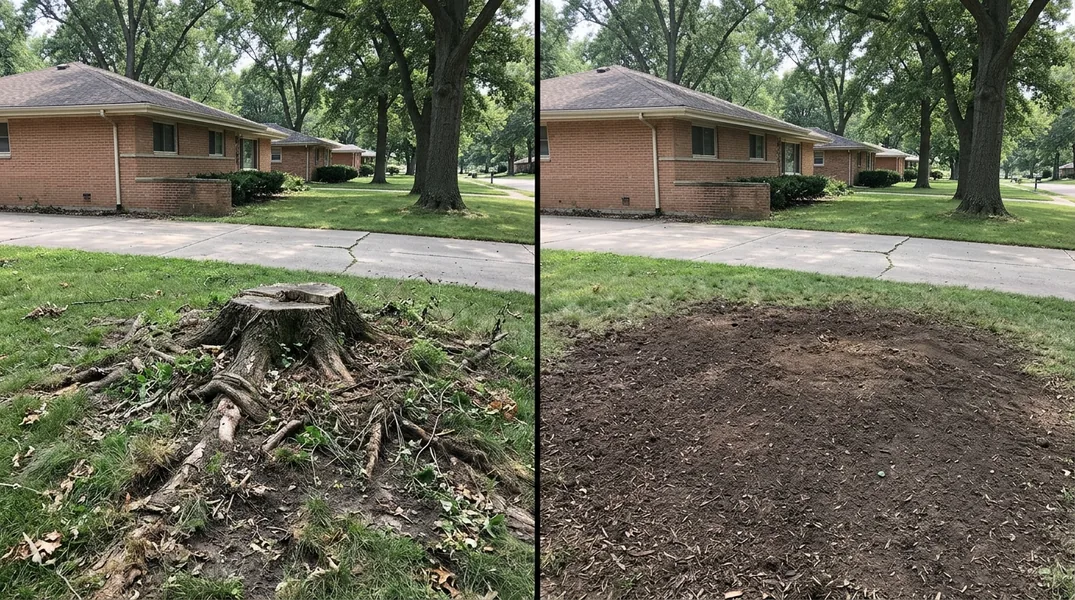
Additional services like Stump Grinding and debris removal are often quoted separately. Stump grinding typically ranges from $100 to $500 depending on stump size, and debris removal can add $300 to $2,000 depending on the volume of material. If your insurance covers tree removal, you may not pay out of pocket, but if you're responsible for costs, getting multiple quotes helps you understand fair market pricing. Never choose a contractor solely based on the lowest price; verify they are insured, and experienced with emergency situations. A reputable company like Peoria Tree Service will provide transparent estimates and explain what is included in their service.
After the Tree Is Removed: Next Steps and Prevention
Once the emergency tree removal is complete and your property is safe, take time to address any remaining damage and plan for the future. Have a structural inspector evaluate your roof, foundation, and any other areas affected by the fallen tree. This inspection may be required by your insurance company before they release final payment. If the tree caused significant damage, you may need permits for repairs, particularly if structural modifications are necessary. Work with insured contractors who understand local building codes and can ensure repairs meet all requirements.
Finally, consider your landscape's vulnerability to future storms. Trees in poor health, those with weak branch structure, or species prone to storm damage should be evaluated by a experienced arborist. Regular Tree Trimming & Pruning removes dead wood, improves tree structure, and reduces the risk of branch failure during high winds. If you have large trees near your home, establishing a relationship with a local tree service provider now means you'll know exactly who to call if another storm strikes. Peoria Tree Service is here to help with emergency situations and preventive care alike. Call us at (309) 408-0792 or visit our website to learn more about protecting your property year-round.
Looking for a professional tree service contractor in Peoria? Peoria Tree Service responds fast for all your tree service needs.
Get a Free QuoteOur services: Tree Removal · Tree Trimming & Pruning · Stump Grinding