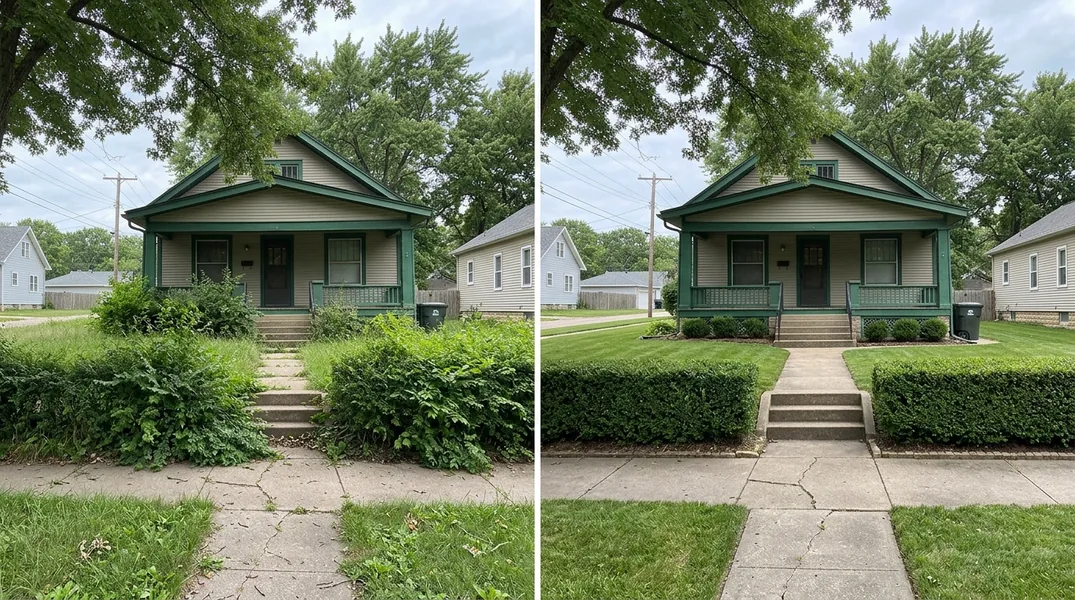
Understanding the Difference: Tree Trimming vs Tree Removal
Every homeowner in Peoria eventually faces a tough decision about their trees. Should you invest in maintaining that old oak in your front yard, or is it time to have it taken down? The answer depends on several factors, and understanding the difference between Tree Trimming & Pruning and Tree Removal is your first step toward making the right choice.
Tree Trimming & Pruning is a restorative practice designed to improve a tree's health, appearance, and safety. When done correctly, pruning removes dead or diseased branches, improves air circulation through the canopy, and helps the tree grow stronger. Tree Removal, on the other hand, is a more drastic solution reserved for trees that pose a safety risk, are severely diseased, or have become structurally unsound. The key is determining which category your tree falls into before it's too late.
Signs Your Tree Can Be Saved with Trimming
Many trees that homeowners assume need to come down can actually be revived with proper care and strategic pruning. If your tree has some dead branches but still shows vigorous growth in other areas, trimming is often the answer. Trees that have experienced storm damage, overgrown branches hanging over your roof, or limbs rubbing against your house are excellent candidates for professional pruning rather than removal.
Look for these positive signs that indicate your tree is worth saving. If the tree has a strong central leader (main trunk), produces new growth each spring, and the majority of the canopy appears healthy and green, Tree Trimming & Pruning can restore it to health. Trees with minor pest damage, slight lean, or cosmetic issues are also good candidates for trimming. In Peoria, many mature shade trees that have been neglected for years can be brought back to life with consistent pruning over a season or two. Young trees that are simply overgrown or have competing leaders almost always benefit from trimming rather than removal.
Red Flags: When Your Tree Needs Removal
Not every tree can or should be saved. A professional hazard tree assessment is essential when you notice serious warning signs. If your tree has extensive cavities, large sections of bark missing, or dead wood comprising more than 50 percent of the canopy, removal may be the only safe option. Trees that are leaning significantly, have major cracks in the trunk, or show signs of severe disease should be evaluated immediately.
Other critical indicators include fungal fruiting bodies (mushrooms or shelf fungi) growing from the trunk, which suggest internal decay that pruning cannot fix. If a tree has multiple large cavities, is heavily infested with wood-boring insects, or has been topped (had its main branches cut off flush with the trunk), it's unlikely to recover. Trees growing too close to power lines, foundations, or septic systems may also need removal for safety and property protection reasons. If you're uncertain whether your tree shows these warning signs, contact Peoria Tree Service at (309) 408-0792 for a professional hazard tree assessment.
Hazard Tree Assessment in Peoria: What to Expect
A proper hazard tree assessment examines multiple factors to determine whether a tree poses a risk to your home, family, or neighbors. A experienced arborist will evaluate the tree's overall structure, look for signs of disease or pest damage, and assess whether it could fail during storms or high winds. They'll also consider the tree's proximity to structures, power lines, and people who might be affected if it fails. This comprehensive evaluation takes into account the tree's species, age, health condition, and environmental stressors.
During the assessment, the professional will check for signs of root damage, soil compaction, and other below-ground issues that affect stability. They'll examine branches for deadwood, improper branching angles, and included bark (a structural weakness). The arborist will also consider your tree's location relative to other trees and structures. Based on this evaluation, they'll recommend whether trimming can address the hazard, whether removal is necessary, or whether monitoring over time is appropriate. Getting this assessment done proactively can save you thousands in potential property damage and give you peace of mind about your landscape's safety.
The Benefits of Choosing Trimming When Possible
There are numerous reasons to save a tree through trimming rather than removing it. Mature trees provide irreplaceable environmental benefits, including air purification, stormwater management, and wildlife habitat. They also enhance your property's aesthetic value and can increase your home's resale value significantly. A mature shade tree that's been on your property for decades represents an investment that's difficult to replace. A newly planted tree will take 15 to 20 years to provide the same shade and environmental benefits as an established tree.
From a practical standpoint, Tree Trimming & Pruning costs considerably less than removal and is far less disruptive to your landscape. Trimming improves the tree's health by removing disease and deadwood, enhances its appearance, and reduces the risk of branch failure. Regular pruning also encourages new growth and helps the tree adapt to environmental stressors. If you have a tree that's been declining or neglected, professional trimming can often turn it around. Even trees that have suffered storm damage can often be restored through careful pruning that removes damaged limbs while preserving the tree's natural form.
Making Your Decision: When to Call a Professional
The best way to make an informed decision about your tree is to have a professional evaluate it. Homeowners often lack the expertise to accurately assess a tree's structural integrity, disease status, or recovery potential. What looks like a dead tree might actually have dormant buds ready to flush with new growth. Conversely, a tree that appears healthy might be rotting internally. A experienced arborist can distinguish between these scenarios and provide recommendations based on industry standards and best practices.
If you're in Peoria and uncertain about your tree's future, reach out to Peoria Tree Service for a free estimate. Our team can assess your tree's health, discuss your options, and recommend the best course of action, whether that's professional trimming, removal, or a combination of services. We'll explain our findings in plain language so you understand exactly why we're recommending a particular approach. Call us today at (309) 408-0792 to schedule your assessment and take the first step toward a healthier, safer landscape.
Looking for a professional tree service contractor in Peoria? Peoria Tree Service responds fast for all your tree service needs.
Get a Free QuoteOur services: Tree Removal · Tree Trimming & Pruning · Stump Grinding